Breast Imaging After Breast Surgery: What You Need to Know About Mammograms, Ultrasounds, and MRIs
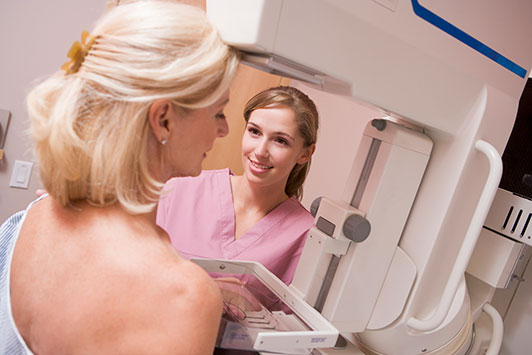
Whether you’ve had a breast augmentation, breast implant replacement, breast reduction, or breast reconstruction, it’s important to understand how your surgery affects future breast imaging.
One of the most common questions we hear is:
“Do I still need mammograms?”
The answer depends on the type of breast surgery you’ve had. In addition, patients with silicone breast implants should also be aware of the FDA’s recommendations for routine implant surveillance.
Understanding the difference between breast cancer screening and implant monitoring can help you protect both your health and your surgical results.
Breast Augmentation and Implant Replacement
If you’ve had a breast augmentation or an implant exchange (removal and replacement of your implants), you should continue routine breast cancer screening based on your age, risk factors, and your primary care provider’s recommendations.
If you had a mammogram before surgery and are due for your next screening, we generally recommend resuming routine mammograms 6 to 12 months after your procedure, once healing is complete. By this point, swelling and tenderness have typically resolved, making the examination both safe and more comfortable.
Tell the Imaging Center You Have Implants
Whenever you schedule a mammogram, let the imaging center know that you’ve had breast augmentation or breast implant surgery.
This allows the technologist to:
- Use specialized implant-displaced (“Eklund”) views when appropriate.
- Position you comfortably during the exam.
- Obtain the best possible images while protecting your implants.
Many patients worry that mammogram compression could rupture their implants. Fortunately, this is very uncommon. Modern breast implants are designed to withstand normal mammographic compression, and rupture during a mammogram is considered rare. While no medical procedure is completely without risk, routine mammograms remain safe and are an important part of maintaining your breast health.
Breast Reduction
Patients who have undergone a breast reduction should also continue routine mammograms according to standard breast cancer screening guidelines.
Because breast reduction surgery changes the internal architecture of the breast, it’s helpful to let the imaging center know about your previous surgery. This allows the radiologist to recognize expected postoperative changes, such as scar tissue, when interpreting your images.
Otherwise, breast reduction patients generally follow the same screening recommendations as women who have never had breast surgery.
Breast Reconstruction After Mastectomy
Breast imaging recommendations are different for patients who have undergone breast reconstruction following a mastectomy.
In most cases, routine screening mammograms are not performed on a reconstructed breast after a standard mastectomy, because nearly all breast tissue has been removed.
However, recommendations can vary depending on the type of reconstruction you’ve had and your individual medical history.
- Implant-based reconstruction: Routine screening mammograms are generally not recommended on the reconstructed breast following a standard mastectomy.
- Autologous (flap) reconstruction: Depending on your reconstruction and the amount of remaining breast tissue, your breast surgeon or oncologist may recommend periodic imaging.
- If symptoms develop: Any new lump, swelling, pain, skin changes, or other concerning findings should always be evaluated. Your physician may recommend an ultrasound, MRI, or other imaging based on your symptoms.
If you still have your natural breast on the opposite side, you should continue routine mammograms of that breast according to standard screening guidelines.
Mammograms Do Not Check Your Implants
One of the biggest misconceptions we see is that a mammogram checks the condition of breast implants.
It doesn’t.
A mammogram is designed to screen for breast cancer. Although it may occasionally identify signs of an implant problem, it is not the recommended test for evaluating whether a silicone implant has ruptured.
Implant monitoring and breast cancer screening serve two different purposes, and both are important.
FDA Recommendations for Silicone Breast Implants
If you have silicone breast implants—whether they were placed during breast augmentation, implant replacement surgery, or breast reconstruction—the U.S. Food and Drug Administration (FDA) recommends routine imaging to monitor implant integrity.
Current FDA recommendations include:
- High-resolution ultrasound or MRI beginning 5 years after silicone implant placement
- Repeat imaging every 2 to 3 years thereafter
These studies help detect a silent rupture, meaning a rupture that causes no pain, no visible changes, and no noticeable symptoms.
If you’ve had your implants replaced, this timeline begins with the placement date of your current implants, not your original augmentation.
Complimentary In-Office Breast Implant Ultrasounds
At Denver Plastic Surgery & Aesthetics, we’re committed to helping our breast surgery patients care for their implants long after surgery.
As a courtesy to our current breast implant patients, we offer complimentary in-office breast implant ultrasounds performed using a handheld ultrasound device during your follow-up appointment.
This quick, non-invasive scan allows your surgeon to evaluate your implants for any obvious signs of rupture or other concerns and may provide added reassurance if you’re experiencing changes or simply want your implants checked.
What Our In-Office Ultrasound Does—and Doesn’t Do
Our complimentary implant ultrasound is intended as an additional clinical assessment and does not replace:
- Your physician’s recommended breast imaging.
- The FDA’s recommendation for high-resolution ultrasound or MRI to monitor silicone breast implant integrity.
- Routine mammograms or other breast cancer screenings recommended by your primary care provider, breast surgeon, or oncologist.
If your surgeon identifies any concerning findings during your examination or in-office ultrasound—or if you’re experiencing symptoms that require further evaluation—we may recommend a formal diagnostic ultrasound, MRI, mammogram, or referral to a dedicated breast imaging center.
Our goal is to provide an added level of convenience and peace of mind while ensuring every patient continues to receive the appropriate imaging recommended for their individual health.
When Should You Contact Your Plastic Surgeon?
Regardless of the type of breast surgery you’ve had, contact your plastic surgeon if you notice:
- A change in breast size or shape
- New firmness or hardening
- Persistent pain
- Swelling
- A new lump or mass
- Skin changes over the breast
- Any sudden or unusual change that concerns you
These symptoms do not necessarily indicate an implant rupture or another serious problem, but they should always be evaluated.
Our Recommendations at Denver Plastic Surgery & Aesthetics
We want every patient to enjoy beautiful, long-lasting results while maintaining excellent breast health.
Our recommendations include:
- Continue routine mammograms according to your age, personal risk factors, and your healthcare provider’s recommendations.
- After breast augmentation or implant replacement, mammograms can generally be resumed 6 to 12 months after surgery, provided healing is complete.
- Let your imaging center know about any previous breast surgery before your appointment.
- If you have silicone breast implants, follow the FDA recommendation for high-resolution ultrasound or MRI beginning 5 years after implant placement and every 2 to 3 years thereafter to monitor implant integrity.
- If you’ve had breast reconstruction following a mastectomy, follow the screening recommendations provided by your breast surgeon or oncologist, as these differ from routine screening guidelines.
- Take advantage of our complimentary in-office breast implant ultrasound as an additional benefit of your ongoing care—but remember that it is not a substitute for physician-recommended imaging, FDA surveillance recommendations, or breast cancer screening.
Every patient is unique. Your plastic surgeon, breast surgeon, primary care provider, radiologist, and oncology team (when applicable) all play important roles in determining the imaging schedule that’s right for you based on your surgical history, age, risk factors, and type of breast procedure.
Questions About Breast Imaging After Surgery?
Whether you’ve had breast augmentation, breast implant replacement, breast reduction, or breast reconstruction, our team is here to help you understand the recommendations that apply to you.
If you have questions about your breast implants, your recovery, or your long-term breast health, contact Denver Plastic Surgery & Aesthetics to schedule a consultation with one of our board-certified plastic surgeons. We’re here to support you long after your surgery and help you protect both your results and your health.