
Male Breast Reduction (Gynecomastia Surgery) in Denver, CO
Gynecomastia, or enlarged male breasts, develops when excess glandular tissue, excess fat, or a combination of both creates a fuller, less masculine chest contour. Although exercise can help reduce excess body fat, it cannot eliminate enlarged glandular breast tissue.
Male breast reduction surgery in Denver is designed to create a flatter, firmer, more masculine chest contour. Depending on your anatomy and goals, treatment may involve liposuction, surgical removal of excess glandular tissue, or a combination of techniques customized to your unique concerns.
At Denver Plastic Surgery and Aesthetics, Dr. Christine Rodgers and Dr. Cecelia Nguyen work closely with patients to develop personalized treatment plans that restore confidence and improve chest contour. Whether gynecomastia has been present since adolescence, developed later in life, or persisted despite weight loss and exercise, male breast reduction surgery can help you achieve a more sculpted, proportionate chest.
Benefits of Male Breast Reduction
- Creates a flatter, firmer, more masculine chest contour
- Removes excess breast tissue and fat that doesn't respond to diet and exercise
- Improves chest definition and overall body proportions
- Helps clothing fit more comfortably and confidently
- Increases confidence in social situations, exercise, and shirtless activities
- Provides long-lasting results when paired with a stable weight and healthy lifestyle
Who is a good candidate for Surgery?
Choosing to undergo cosmetic surgery is a personal decision, and patient safety is always our highest priority. During your consultation, our surgeons will evaluate your medical history, overall health, and goals to determine whether surgery can be performed safely and effectively.
Good Overall Health
Ideal candidates are in good physical health and free from uncontrolled medical conditions that could increase surgical risk or interfere with healing. Depending on your age and medical history, additional clearance or testing may be required before surgery.\
Non-Smoking Status
Patients should be non-smokers and free of nicotine products prior to surgery, since nicotine use impairs circulation, delays healing, and increases the risk of complications.
Close to Your Goal Weight
Denver Plastic Surgery does not require a specific BMI, but the best candidates are generally at or near their goal weight and have maintained it for several months. Cosmetic surgery is not a weight-loss solution.
Realistic Expectations
The ideal candidate understands that surgery can enhance appearance and confidence but cannot create perfection. Your surgeon will discuss what can realistically be achieved and build a treatment plan around your goals.
What to Expect During Surgery
Before surgery, you’ll have a detailed pre-operative appointment to review your procedure, answer questions, and confirm you’re fully prepared. Depending on your age and medical history, pre-operative testing or medical clearance may be required.
Male breast reduction is typically performed under general anesthesia, administered and monitored by a qualified anesthesia provider. Once anesthesia has taken effect, your surgeon performs the procedure according to your personalized plan, placing incisions strategically to minimize visible scarring.
Because male breast reduction is typically an outpatient procedure, most patients return home the same day with a responsible adult to drive them and stay with them as recovery begins.
Recovery & Healing Timeline for Male Breast Reduction (Gynecomastia)
Most patients return to light daily activities within a few days and are gradually cleared for full exercise by four to six weeks after surgery. Every patient heals at a different pace, and your surgeon will tailor guidance to your specific procedure.
First Week
Swelling, bruising, soreness, and tightness across the chest are normal. A compression garment may be recommended to support healing and reduce swelling. Focus on rest and avoid strenuous activity.
Weeks 2–4
Swelling and bruising continue to improve and most patients return to normal daily routines. Heavy lifting and vigorous exercise should still be avoided.
Weeks 4–6
Much of the initial healing has occurred. Many patients are cleared to gradually resume more vigorous exercise, though timelines vary by patient.
Long-Term Healing
Residual swelling resolves and scars continue to mature over several months as chest contour refines. Attending follow-up appointments and maintaining a stable weight supports lasting results.
See our Recovery Essentials Guide.
Why Choose Denver Plastic Surgery?
Led by board-certified plastic surgeons Dr. Christine Rodgers and Dr. Cecelia Nguyen, our practice combines decades of surgical expertise with a personalized, patient-centered approach. Every treatment plan is built around your unique anatomy, goals, and lifestyle rather than a one-size-fits-all solution.
Our surgeons perform procedures in an accredited surgical facility where patient safety is always the highest priority. Patients consistently point to the compassion and attention they receive from our entire team, from your first consultation through your final follow-up appointment.
We’re honored to be trusted by patients throughout Denver and the surrounding communities who are seeking expert care, personalized attention, and results that look natural and feel authentic.
Male Breast Reduction (Gynecomastia) Results
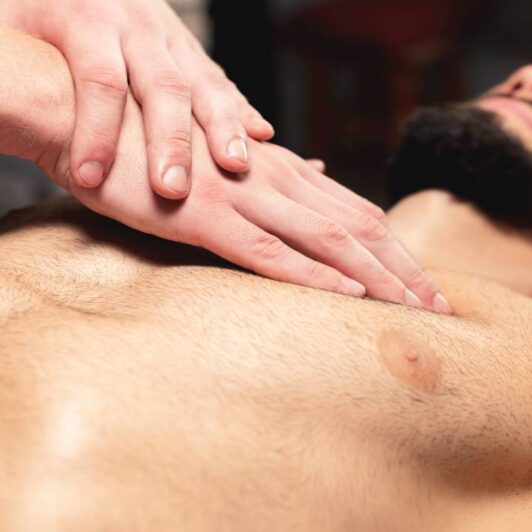
Many patients notice improved chest contour soon after surgery, though swelling is a normal part of healing. As it subsides over the following weeks and months, results become increasingly apparent. Scar therapy is included as part of your surgical care to support optimal healing and help minimize the appearance of scars.
Male breast reduction is designed to provide long-lasting results. Maintaining a stable weight and healthy lifestyle helps preserve your results over time.
View Before/After GalleryFrequently Asked Questions
The cost of male breast reduction surgery varies based on the complexity of the procedure, the surgical techniques required, and your individualized treatment plan. At Denver Plastic Surgery and Aesthetics, the cost of male breast reduction surgery typically starts around $10,000, with more complex procedures ranging up to $17,000 or more.
During your consultation, Dr. Christine Rodgers or Dr. Cecelia Nguyen will evaluate your anatomy, discuss your goals, and develop a personalized surgical plan. Once your treatment plan has been finalized, we will provide a detailed quote outlining all associated costs so you know exactly what to expect before scheduling your procedure.
Male breast reduction surgery is generally considered a cosmetic procedure and is not covered by insurance. Because insurance plans have very strict medical necessity requirements for this procedure, coverage is uncommon.
At Denver Plastic Surgery and Aesthetics, male breast reduction is performed as a self-pay procedure. During your consultation, we will provide a personalized treatment plan and detailed pricing information so you can make an informed decision about your care.
Most patients experience soreness, tightness, and mild discomfort in the first few days after surgery, which is generally well-managed with prescribed medication. Discomfort typically decreases significantly within the first week.
Enlarged male breasts can develop from hormonal changes, genetics, certain medications, weight fluctuations, and aging. In some cases, the exact cause isn’t identified. During your consultation, your surgeon will evaluate your concerns and discuss whether male breast reduction surgery is an appropriate option.
Yes. Male breast reduction and gynecomastia surgery are terms commonly used for the same procedure — creating a flatter, firmer, more masculine chest contour by addressing excess breast tissue, fat, and, when necessary, excess skin.
Exercise and weight loss may help reduce excess chest fat, but they can’t eliminate glandular breast tissue. For patients whose enlarged chest is caused by glandular tissue, male breast reduction surgery is often the most effective option.
Any procedure requiring incisions will result in scars. Our surgeons place incisions as strategically as possible, and scars typically fade and soften over time. Scar therapy is included as part of your surgical care.
Results are generally long-lasting. Maintaining a stable weight and healthy lifestyle helps preserve results, though significant weight gain, hormonal changes, or certain medications may affect chest appearance in the future.
Most patients return to light daily activities within a few days and gradually resume more strenuous activity over the following weeks. Recovery timelines vary based on the techniques used and each patient’s healing process.